Find a Medicare Part D prescription drug plan


Medicare Part D
Prescription Drug Coverage 2026
2026 Medicare Part D
Looking for updates for Medicare Part D in 2026? Find out the potential changes in costs and coverage here.
Key Takeaways
- In 2026, Medicare Part D enrollees may have an approximate $615 annual deductible and about a $2,100 out-of-pocket spending cap for certain prescription drugs, possibly improving cost management.
- Beneficiaries will likely be responsible for up to 25% coinsurance on covered medications until the $2,100 limit has been reached, which may require careful budgeting to help avoid unexpected expenses.
- The potential introduction of a Medicare Prescription Payment Plan may allow beneficiaries to spread out out-of-pocket drug payments throughout the year, possibly enhancing financial management of high prescription drug costs.
Annual Deductible and Out-of-Pocket Threshold for 2026

For 2026, Medicare Part D enrollees might face an annual deductible set around $615. This could mean that beneficiaries may need to cover the full cost of their prescription drugs until the listed deductible has been met. This potential adjustment may be challenging, so members should start planning to manage expenses throughout the year.
After reaching the out-of-pocket threshold of about $2,100, beneficiaries may no longer be responsible for additional cost-sharing for certain covered drugs, which may provide relief. This potential change will likely aim to protect enrollees from excessive spending, likely keeping essential medications accessible without financial strain.
Coinsurance for Covered Part D Drugs
Enrollees may be responsible for up to 25% of the costs for the covered medications during the initial coverage phase. This coinsurance rate will likely apply until beneficiaries reach the out-of-pocket spending cap of around $2,100. While this cost-sharing may add up, budgeting for the applicable cost-sharing amount could help avoid unexpected financial burdens.
The approximate 25% coinsurance rate will likely impact all covered medications, which may influence the overall out-of-pocket expenses for beneficiaries. Understanding this potential change could help in better managing prescription drug costs and planning your healthcare budget.
Potential Cap on Prescription Drug Costs
Beginning in 2026, there may be a cap on certain out-of-pocket prescription drug costs for Medicare beneficiaries, which may be set at $2,100. This cap will likely aim to protect enrollees from excessive Medicare prescription drug spending, possibly keeping essential medications affordable.
Additionally, the potential elimination of the 5% coinsurance for catastrophic coverage may provide significant financial relief for those who rely on high-cost medications. This potential change could lead to substantial savings for enrollees, possibly enhancing healthcare accessibility.
Medicare Prescription Payment Plan
The Medicare Prescription Payment Plan might allow beneficiaries to spread out their out-of-pocket drug payments throughout the calendar year. This could potentially benefit those facing high prescription costs by offering more effective expense management.
The program may also include an automatic re-enrollment unless participants opt out, possibly offering continued financial relief through the redesigned program instructions.
Insulin Cost-Sharing Cap
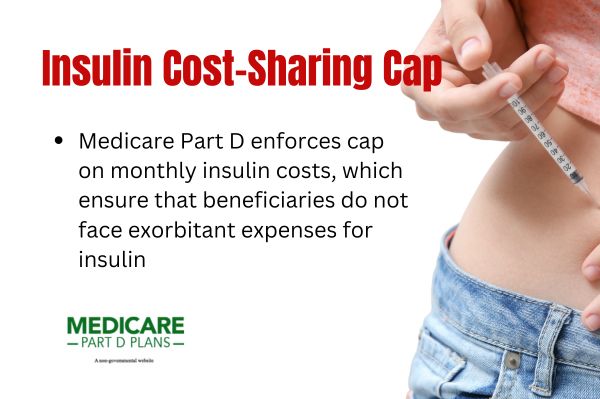
For those relying on insulin, this potential cap may help reduce the financial burden, likely allowing better diabetes management without high prescription drug costs. This policy may apply to various Part D plans and might include covered insulin products listed on their formulary.
Zero Cost-Sharing for Vaccines
The zero cost-sharing policy for adult vaccines under Medicare Part D will likely be a permanent feature that could potentially waive cost-sharing for vaccines recommended by the Advisory Committee on Immunization Practices (ACIP).
This might mean that beneficiaries may receive necessary immunizations without worrying about out-of-pocket costs.
This policy could potentially ensure broader equitable access to vital immunizations, likely improving public health outcomes and helping prevent disease spread.
See plans in your area instantly!
Advertisement
Enhancements to Medicare Advantage Plans
Additional regulations may be introduced to enhance the accountability of Medicare Advantage plans in providing quality care and ensuring timely access to Medicare Advantage services. These potential changes will likely aim to improve the overall experience for Medicare beneficiaries.
Stricter marketing guidelines could help prevent misleading promotions, possibly ensuring beneficiaries receive accurate and transparent information in accordance with the reasonable expectation of the final rule.
Inflation Reduction Act Provisions
The Inflation Reduction Act might implement several reforms to Medicare Part D to help enhance affordability and access. These reforms will likely aim to lower out-of-pocket costs for beneficiaries and possibly expand access to essential medications.
These potential changes might reduce coinsurance costs in the catastrophic coverage phase and may offer about $2,000 cap on annual out-of-pocket drug expenses. These changes will likely aim to provide financial relief for Medicare beneficiaries.
Reviewing Your Medicare Plan Annually
Annual evaluations of Medicare plans could help ensure they align with your evolving health or overall function needs and budget constraints. Not reviewing your plans may result in missing better coverage or cost-saving options.
Professional support during annual reviews could help maximize the Medicare program benefits, and the SHIP program is an excellent resource for assistance. Possible changes to coverage, premiums, and formularies will likely make it vital to reassess your Medicare plan annually.
Additional Resources and Support
The Low-Income Subsidy (Extra Help) program will likely cover some out-of-pocket costs for prescription medications for qualifying beneficiaries. To qualify, income must be less than 150% of the federal poverty level.
Find a Plan and Enroll Online Yourself!
Advertisement
Summary
There may be several changes to Medicare Part D for 2026, such as the potential introduction of out-of-pocket thresholds and caps on prescription drug costs. The possible introduction of the Medicare Prescription Payment Plan and the continuation of the insulin cost-sharing cap may be pivotal updates that could impact beneficiaries.
Staying informed about these potential changes and reviewing your Medicare plan annually may be crucial for maximizing benefits and managing healthcare costs effectively. By leveraging available resources and support, you can navigate these potential changes with confidence and ensure that your healthcare needs are met.
Frequently Asked Questions
What is the annual deductible for CY 2026 under the Part D benefit?
The annual deductible for the Part D benefit in 2026 may be set at around $615.
What percentage of coinsurance might enrollees pay for covered Part D drugs in initial coverage for CY 2026?
Enrollees may pay up to 25% coinsurance for covered Part D drugs during the initial coverage period in CY 2026.
How might the Inflation Reduction Act impact insulin cost-sharing for Medicare beneficiaries?
The Inflation Reduction Act could potentially reduce some financial burdens by offering a cap for insulin cost-sharing for approximately $35 per month for Medicare beneficiaries. This potential change could help ensure more manageable expenses for those relying on insulin.
What resources are available to help navigate Medicare and stay informed?
To navigate Medicare and stay informed, utilize resources this website or call one of our licensed agents using the number on this website for comprehensive information and support. These resources can offer valuable insights to help you make informed decisions about your Medicare coverage.
Begin Choosing your plan
Advertisement
ZRN Health & Financial Services, LLC, a Texas limited liability company.