Find a Medicare Part D prescription drug plan


Medicare Part D
Prescription Drug Coverage 2026
Medicare Part D Notice
A Medicare Part D Notice tells you if your employer’s drug plan is as good as standard Medicare coverage. This notice could help you avoid penalties and keep your benefits. This article will explain everything you need to know and do.
Key Takeaways
- Employers must provide Medicare Part D notices to all Medicare-eligible individuals, including active employees, retirees, and COBRA participants, to avoid late enrollment penalties.
- Determining creditable coverage status may be essential, as it will likely ensure that prescription drug plans meet Medicare standards and may help individuals avoid penalties during enrollment.
- Employers will likely be responsible for timely reporting of creditable coverage to CMS and must notify individuals about the nature of their prescription drug coverage.
Understanding Medicare Part D Notice Requirements

Employers will likely play a key role in providing Medicare-eligible individuals with information about their employer’s plan for prescription drug coverage. These notices may help employees avoid late enrollment penalties and maintain creditable coverage.
These notices could significantly impact the financial well-being of Medicare-eligible individuals and their dependents.
Who Must Receive Notices
All Medicare-eligible individuals covered under an employer-sponsored prescription drug plan must receive Medicare Part D notices. This might include active employees, retirees, and COBRA participants who are Part D eligible. Additionally, each eligible individual must be informed of their options.
Separate notices should be sent to Medicare-eligible dependents living at different addresses.
Importance of Creditable Coverage Status

Creditable coverage refers to prescription drug coverage that will likely pay on average as much as standard Medicare coverage. Determining if a plan’s drug coverage is creditable might help individuals avoid late enrollment penalties when they initially enroll in Medicare.
Plan sponsors should assess if their drug coverage is at least as comprehensive as the plan’s coverage under Medicare’s standard coverage.
Determining Creditable Coverage Status
Annually evaluating prescription drug plans likely ensures they meet the criteria for creditable coverage. This might involve comparing the potential benefits against annual Medicare standards for compliance and assessing the prescription drug benefit.
Informing employees about their creditable coverage status might help them avoid late enrollment penalties.
Actuarial and Simplified Methods
The actuarial expectation method for determining creditable coverage will likely require a detailed analysis of the benefit design’s value. This might require comparing the potential expected benefits to standard Medicare Part D coverage.
Alternatively, the simplified criteria may be used if the plan covers at least 60% of prescription drug costs, likely providing a straightforward approach without extensive actuarial analysis.
Recent Legislative Changes
Recent legislative changes, such as the Inflation Reduction Act, may introduce new frameworks that could affect creditable coverage status under federal law. Familiarity with new guidelines may be necessary to ensure compliance, and regular evaluation of Medicare Part D coverage could potentially ensure alignment with the latest legislative updates.
Model Notices from CMS
CMS will likely provide model notices that may outline creditable or non-creditable coverage status to help employers meet their disclosure requirements. These sample notices could potentially ensure that all necessary information is communicated effectively to Medicare-eligible individuals.
English and Spanish Versions
Model notices are available in both English and Spanish, ensuring all Medicare-eligible individuals understand their rights and benefits under the Medicare Part D program. Accurate translations will likely be essential for providing clear and accessible information to all beneficiaries.
Customizing Notices
Employers may customize the CMS model notices, possibly ensuring content adheres to CMS-defined standards. This might include ensuring that any modifications still align with CMS guidelines and that the notices may be prominently displayed when integrated with other plan materials.
Distribution Methods for Medicare Part D Notices
Annual notices about the creditable or non-creditable status of prescription drug coverage should be sent to all Medicare-eligible individuals before the Medicare Part D enrollment period.
These notices will likely be clearly marked and distributed prominently to ensure visibility and compliance with the notice requirement.
Print and Electronic Delivery
Mail may be the recommended delivery method for Medicare Part D notices due to its reliability. Notices may also be delivered electronically if participants have regular access to a work-related computer.
Employers may also send a single notice to both participants and their covered dependents to streamline communications.
Timing and Prominence
Notices must be sent before the Medicare Part D enrollment period, specifically by October 15 each year. When integrated with other information, they must be clearly marked as important to ensure visibility and compliance.
Additional Times When Notices Are Required
Notices should be provided when a plan’s coverage changes from creditable to non-creditable or vice versa. Employers must notify employees about the status of their prescription drug coverage to help them avoid late enrollment penalties.
Initial Enrollment Period
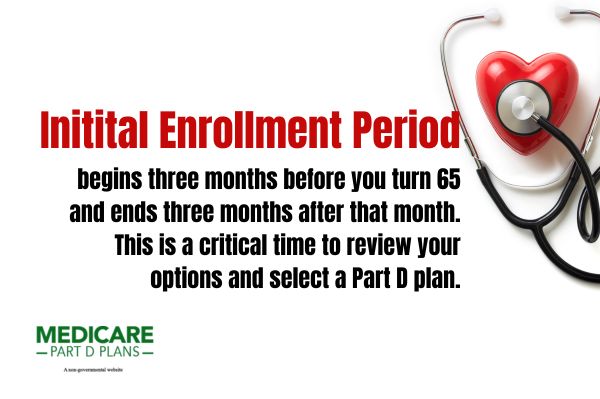
Notices should be delivered when individuals first become eligible for Medicare Part D, not just annually. Eligible individuals should be notified at the start of their individual’s initial enrollment period for Medicare Part D, typically three months prior to their 65th birthday.
Upon Coverage Changes
Significant changes in a beneficiary’s existing prescription drug coverage will likely require immediate notification. This could potentially ensure individuals are aware of their coverage status and make informed decisions about their Medicare Part D enrollment.
Reporting to CMS
Employers should:
- Report their plan’s creditable coverage status to CMS annually.
- Report changes that might affect whether prescription drug coverage is creditable.
- Submit disclosures no later than 60 days after the start of a plan year to ensure compliance.
Annual Disclosure Deadlines
Timely submission of disclosure reports regarding creditable coverage requirements will likely ensure compliance with Medicare requirements.
The deadline for submitting these disclosures to CMS is March 1 each year.
Resources for Employers
Employers may access the online Disclosure to CMS Form via the CMS website to report creditable coverage status. Plan sponsors may opt not to use the model notice. However, they must provide a disclosure adhering to CMS content standards if they choose this route.
See plans in your area instantly!
Advertisement
Avoiding Late Enrollment Penalties
Failure to enroll in Medicare Part D while having non-creditable coverage may lead to late enrollment penalties. Accurate information and notifications might help employees avoid these penalties and maintain creditable coverage.
Potential Impact on Individuals
Late enrollment penalties may be up to 10% for each full 12-month period that an individual was eligible for Medicare but did not sign up for coverage. These penalties could potentially increase the cost of the late enrollment penalty for Medicare Part D for individuals, likely making it financially burdensome.
Employer Responsibilities
Notifying individuals about the creditable or non-creditable nature of their prescription drug coverage might impact their enrollment decisions. Accurate and timely notifications may help prevent late enrollment penalties and possibly ensure individuals are aware of their coverage options.
Next Steps for Employers
Notifying both Medicare-eligible employees and their Medicare eligible dependents covered about health coverage status will likely be an employer’s responsibility.
Regular assessments of prescription drug plans may help ensure members meet Medicare’s standards and compliance requirements.
Assessing Prescription Drug Plans
Plan sponsors should follow specific processes to determine if their prescription drug coverage meets Medicare’s standards. CMS will likely provide two methods for determining creditable coverage: actuarial value analysis and simplified criteria.
Preparing and Distributing Notices
Timely preparation and distribution of Medicare Part D notices will likely ensure compliance with deadlines and help eligible individuals understand their coverage options, including the effective date.
Using multiple distribution channels will likely ensure employees receive their notices.
Find a Plan and Enroll Online Yourself!
Advertisement
Summary
Medicare Part D notices may be essential for ensuring that Medicare-eligible individuals are informed about their prescription drug coverage.
Employers will likely have a critical role in providing accurate and timely notifications to help employees avoid late enrollment penalties and maintain creditable coverage. Regular assessments and compliance with CMS guidelines may be necessary to meet these requirements.
Frequently Asked Questions
Who must receive Medicare Part D notices?
Medicare Part D notices should be received by all Medicare-eligible individuals, which might include active employees, retirees, and COBRA participants.
What is creditable coverage?
Creditable coverage is prescription drug coverage that might meet or exceed the standards set by Medicare. It’s important to ensure that your plan qualifies, as this could help avoid higher costs when enrolling in Medicare.
When should Medicare Part D notices be sent?
Medicare Part D notices should be sent annually by October 15 and upon an individual’s first eligibility for Medicare Part D. It’s crucial to ensure timely communication to avoid any gaps in coverage.
How can employers determine if their prescription drug coverage is creditable?
Employers may determine if their prescription drug coverage is creditable by conducting actuarial analyses or applying simplified criteria to ensure it meets Medicare’s standards. This evaluation will likely be essential for compliance and to inform employees about their options.
What are the consequences of not maintaining creditable coverage?
Failing to maintain creditable coverage might result in late enrollment penalties, which could lead to increased Medicare Part D premiums. It’s crucial to keep your coverage to avoid these financial consequences.
Begin Choosing your plan
Advertisement
ZRN Health & Financial Services, LLC, a Texas limited liability company.