Find a Medicare Part D prescription drug plan

Medicare Part D
Prescription Drug Coverage 2026
Medicare Part D Options
Navigating Medicare Part D options might be confusing. This article will help you understand different Medicare Part D plans, their coverage, possible costs, and potential benefits, so you can choose the best one for your needs.
Key Takeaways
- Medicare Part D will likely offer prescription drug coverage through standalone plans or Medicare Advantage plans that might bundle medical and drug coverage, likely making it essential to choose based on individual needs.
- Coverage is divided into three phases: Deductible, Initial Coverage, and Catastrophic Coverage, with significant changes
in 2026 , such as the elimination of the donut hole and a cap on out-of-pocket costs at $2,000.
- Beneficiaries should review their chosen plan’s formulary and costs annually due to variations in drug coverage and expenses, potentially ensuring alignment with their medication needs and budget.
Understanding Medicare Part D

Medicare Part D is a prescription drug insurance program that will likely be designed to help individuals with Medicare manage their medication costs.
For those relying on medications to maintain their health, this coverage could be a financial lifesaver. Without Medicare Part D, members might face daunting prescription drug costs that could strain their budgets.
For those with Original Medicare (Part A and/or Part B), Medicare Part D coverage may be obtained by purchasing a stand-alone Medicare Part D plan. Additionally, some Medicare Advantage plans might include prescription drug coverage, possibly providing an all-in-one solution for beneficiaries.
The flexibility to choose a plan that matches your specific needs, and budget could make Medicare Part D an essential component of your Medicare coverage.
However, not all Medicare Part D plans are the same. Coverage and costs may vary significantly between plans, and the benefits might vary, likely making it crucial to review and compare options. Understanding your medication needs and potential future requirements could help you select the best plan for your circumstances.
Types of Medicare Part D Plans
Medicare Part D plans may come in two primary forms: standalone plans and Medicare Advantage plans that include drug coverage. Standalone Medicare Part D plans will likely be designed to complement Original Medicare by providing prescription drug coverage.
These plans may be ideal for individuals who prefer to keep their medical and prescription drug coverage separate.
On the other hand, certain Medicare Advantage plans might bundle medical and prescription drug coverage into a single plan. This integrated approach could potentially simplify your healthcare management by offering a comprehensive package.
However, if you enroll in a Medicare Advantage plan that includes drug coverage, you cannot sign up for a standalone Medicare Part D plan.
Understanding these options will likely be crucial to making an informed choice that aligns with your healthcare needs and preferences.
Coverage Phases in Medicare Part D
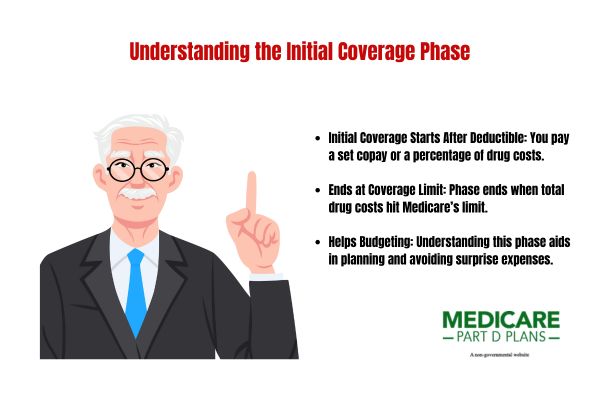
Medicare Part D coverage is divided into three distinct phases: Deductible, Initial Coverage, and Catastrophic Coverage. Each phase has different cost structures and coverage rules, which might impact how much you pay for your medications throughout the year.
During the deductible phase, you may be responsible for the full cost of your medications until you meet the annual deductible amount, which is $590 for 2025.
Once you enter the initial coverage phase, you may pay up to 25% of your total prescription costs, with copays or coinsurance based on the plan’s formulary.
The coverage gap, often referred to as the “donut hole,” has been eliminated as of 2025, which could simplify the transition to the catastrophic coverage stage. In this final phase, after spending $2,000 out of pocket costs, you might not incur additional costs for covered medications covering the rest of the year.
Potential Costs Associated with Medicare Part D
Medicare Part D plans will likely involve a variety of costs, such as:
- Premiums
- Deductibles
- Copays
- Coinsurance
- Monthly Part D premium
Understanding these expenses may be vital to managing your healthcare budget effectively.
One potential change
This cap could potentially provide financial relief and predictability for beneficiaries, particularly those with high medication costs. High-income beneficiaries should also be aware of the additional income-related monthly adjustment amount (IRMAA) that may apply to their premiums.
Copay and coinsurance rates might vary based considerably among different Medicare Part D plans, likely influenced by the negotiated prices between plans and pharmacies. Members should review these details when choosing a plan to ensure it aligns with their financial situation and medication needs.
Formulary and Drug Lists
A formulary is a drug list of medications covered by a Medicare Part D plan. Each plan has its own formulary, which categorizes drugs into tiers based on their cost. Lower tiers might include generic drugs, which may be less expensive but just as effective compared to brand-name drugs.
Formularies might change annually, likely impacting which drugs may be covered and their tier placement. This will likely highlight the importance of reviewing your plans formulary each year to ensure your medications are still covered and to understand any potential changes in cost.
Medicare will likely require plans to cover at least two distinct drugs in each therapeutic category, possibly ensuring a range of options for beneficiaries.
When selecting a plan, consider:
- The potential costs
- Whether it covers your specific medications
- If your preferred pharmacies are in the plan’s network
- Any restrictions, such as prior authorization for certain drugs, which could add another layer to your decision-making process.
Choosing the Right Plan for You
Choosing the right Medicare Part D plan will likely require careful consideration of your personal medication needs, budget, and overall health status. Enrolling in a Medicare Part D plan when first eligible may be crucial to avoid late penalties and ensure you have coverage when you need it.
You can use the interactive tool found on this website to find a plan that offers coverage for your specific prescriptions. Research different options and compare plans to determine the best fit for your needs. Remember to evaluate both your current medications and potential future needs when reviewing a plan’s formulary.
Financial Assistance for Medicare Part D
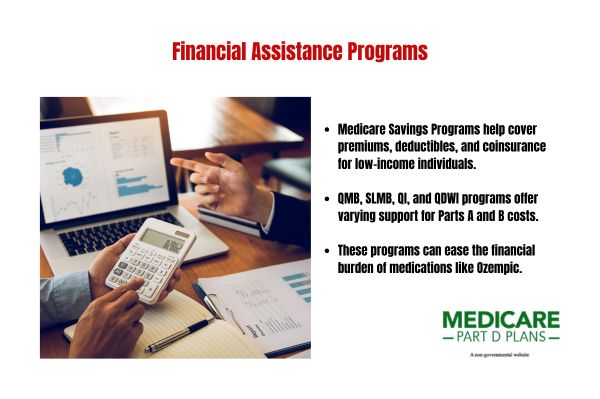
The Extra Help program may be available to individuals with limited income to help reduce their Medicare Part D expenses. This program might cover various costs, such as premiums, copayments, and deductibles. Eligibility for Extra Help will likely be determined based on your financial status.
Individuals may apply for Extra Help at any time, regardless of their Medicare Part D enrollment status. Those who qualify could potentially pay reduced costs for generic medications, with a maximum charge of about $4.90 per prescription.
Starting
Enrollment Periods and Penalties
The initial enrollment period for Medicare Part D begins three months before you turn 65, includes your birthday month, and ends three months after. For those born on the first day of the month, the period starts four months before your 65th birthday and ends two months after.
Failing to enroll in Medicare Part D when first eligible may result in a late enrollment penalty, which is an additional 1% for each month of delay. This penalty is calculated based on the national base beneficiary premium and will likely be charged for as long as you retain Medicare drug coverage, even if you switch plans. Enrolling on time could help avoid these penalties and possibly ensure continuous coverage.
See plans in your area instantly!
Advertisement
Potential Changes to Medicare Part D
Recent changes to Medicare Part D, likely driven by the Inflation Reduction Act, will likely aim to make prescription drug coverage more affordable. One possible change is the elimination of the donut hole as of 2025, which might simplify transitions to catastrophic coverage.
Additionally, Medicare may introduce a new payment option known as the Medicare Prescription Payment Plan. This plan allows beneficiaries to manage their prescription drug costs more effectively, although it does not save money. These potential changes will likely be part of broader efforts to control drug prices and improve Medicare coverage.
Tips for Saving on Prescription Drugs
There may be several strategies available to save on prescription drugs under Medicare Part D. One effective approach might be to compare plans to find one that could offer lower prices for your medications. Using mail-order pharmacies may also provide a more economical option for obtaining your prescriptions.
Switching to generic or less expensive brand-name drugs, if available, could potentially lead to significant cost savings. The Inflation Reduction Act might introduce measures that may help to further lower the costs of prescription drug costs, such as provisions for drug price negotiations.
Being proactive and informed can help you manage your prescription drug expenses effectively, maximizing the benefits.
How to Pay Your Medicare Part D Premiums
Paying your Medicare Part D premiums might be made easier with options like Medicare Easy Pay. This service will likely allow you to set up automatic monthly deductions from your bank account, possibly ensuring you never miss a payment. You can enroll in Medicare Easy Pay online or by mailing a specific authorization form. Medicare Easy Pay will likely pay your premiums automatically.
Once enrolled, it may take 6-8 weeks for the automatic deductions to begin. Monthly statements will inform you of the monthly premium amount deducted, helping you keep track of your payments.
This convenient payment method could help you avoid late fees and maintain continuous coverage with your insurance company and manage your monthly premiums effectively.
Comparing Plans Using This Website
By entering your zip code into the Plan Finder Tool on this website, members compare different Medicare Part D plans based on your specific medications. By inputting your prescription medications and preferred pharmacies, you could receive personalized results.
You may filter your plans cover search results by factors such as premiums, deductibles, and coverage options. Our website provides a comparison of estimated yearly costs, including premiums and out-of-pocket expenses for each plan. Reviewing plan details annually is advisable, as coverage options and costs might change from year to year.
Find a Plan and Enroll Online Yourself!
Advertisement
Summary
Understanding Medicare Part D will likely be crucial for managing your prescription drug costs effectively. By exploring different types of plans, coverage phases, possible costs, and formularies, you could make informed decisions that align with your healthcare needs and budget. The potential changes to Medicare Part D will likely aim to make prescription drug coverage more accessible and affordable.
Remember to review your plan options annually, utilize available tools like this website, and consider financial assistance programs if you qualify. With the right knowledge and proactive planning, you can navigate Medicare Part D confidently and ensure you have the coverage you need for a healthy future.
Frequently Asked Questions
What is the initial enrollment period for Medicare Part D?
The initial enrollment period for Medicare Part D begins three months before you turn 65, includes your birthday month, and ends three months after. If your birthday is on the first of the month, the period starts four months before and ends two months after.
What are the coverage phases in Medicare Part D?
Medicare Part D consists of three coverage phases: Deductible, Initial Coverage, and Catastrophic Coverage, each with distinct cost structures and coverage rules that may affect your medication expenses. Understanding these phases will likely be essential for managing your prescription costs effectively.
How could I save on prescription drugs under Medicare Part D?
To save on prescription drugs under Medicare Part D, compare different plans for the best prices on your medications, consider using mail-order pharmacies, and switch to generics or more affordable brand-name options when possible. These strategies could help lower your overall costs effectively.
What is the Extra Help program for Medicare Part D?
The Extra Help program may help to reduce Medicare Part D expenses for individuals with limited income, possibly covering costs like premiums, copayments, and deductibles. Eligibility will likely be determined by financial status, possibly resulting in lower medication costs for those who qualify.
How do I compare Medicare Part D plans using this website?
To effectively compare Medicare Part D plans, enter your zip code into the Plan Finder Tool on this website, where you can enter your medications and pharmacies for tailored results. This allows you to filter options by premiums, deductibles, and coverage to determine the estimated yearly costs for each plan.
Begin Choosing your plan
Advertisement
ZRN Health & Financial Services, LLC, a Texas limited liability company.