Find a Medicare Part D prescription drug plan

Medicare Part D
Prescription Drug Coverage 2026
Understanding Blue Cross Blue Shield Medicare Part D

Blue Cross Blue Shield Medicare Part D may help Medicare beneficiaries cover certain prescription drug costs. This article covers the plan’s potential benefits, possible costs, and enrollment process, helping you manage your prescription expenses effectively.
Key Takeaways
- Blue Cross Blue Shield Medicare Part D plans may offer substantial savings on prescription medications and could provide access to a wide range of drugs through an extensive network of pharmacies.
- Eligibility for these plans generally requires individuals to be 65 years or older, or under 65 with specific disabilities, and they must have Medicare Part A and/or B.
- Members may benefit from additional resources like the Plan Finder tool on this website and by calling our licensed agents, helping them effectively manage their medication expenses and coverage.
Blue Cross Blue Shield Medicare Part D Overview
Blue Cross Blue Shield Medicare Part D plans will likely be designed to assist Medicare beneficiaries with their prescription drug costs. These plans will likely be offered by private insurance companies, including Blue Cross Blue Shield, under a Medicare contract, possibly providing substantial savings on prescription medications.
PDP plans may play a key role in understanding prescription drug coverage and managing drug expenses.
Administered by private insurance companies like Blue Cross Blue Shield, these plans will likely cover a wide range of prescription drugs, possibly ensuring that members could have access to the medications they need. Members may navigate their prescription drug plans with ease and confidence using resources such as this website.
Potential Benefits of Blue Cross Blue Shield Medicare Part D Plans
One of the potential advantages of Blue Cross Blue Shield Medicare Part D plans might be the effective management of Medicare prescription drug costs. These plans will likely be designed to offer financial relief to Medicare beneficiaries by covering a broad spectrum of medications, which may include both generic and brand-name drugs.
For those who qualify, financial assistance through low-income subsidy programs may help in reducing medication expenses, possibly making healthcare more accessible. Additionally, the Part D prescription drug coverage may enhance the overall benefits of these plans.
The extensive network pharmacies available to members could potentially ensure that obtaining necessary medications is hassle-free.
Additionally, some Blue Cross Blue Shield Medicare Part D plans may include extra benefits such as preventive services and wellness programs, which could contribute to overall healthcare management.
Moreover, certain Medicare Advantage plans might incorporate Part D coverage within their offerings, possibly providing comprehensive healthcare solutions under one plan.
This potential integration may ensure that members receive a holistic approach to their health, possibly combining medical and prescription drug benefits in a single plan. Additionally, these Medicare plans could potentially enhance the overall benefits available to members.
Eligibility for Blue Cross Blue Shield Medicare Part D
Eligibility criteria are important for anyone considering Blue Cross Blue Shield Medicare Part D. Generally, to qualify for Medicare, individuals must be 65 years old or older. However, those under 65 with certain disabilities or medical conditions, such as end-stage renal disease or Lou Gehrig’s disease, are also eligible for Medicare.
Individuals must have Medicare Part A and/or Part B and reside in the plan’s service area to enroll in a Medicare Part D plan. Special enrollment periods are also available for those who experience specific life events, allowing for flexibility in joining a Medicare drug plan outside the standard enrollment windows.
Cost Structure of Blue Cross Blue Shield Medicare Part D Plans
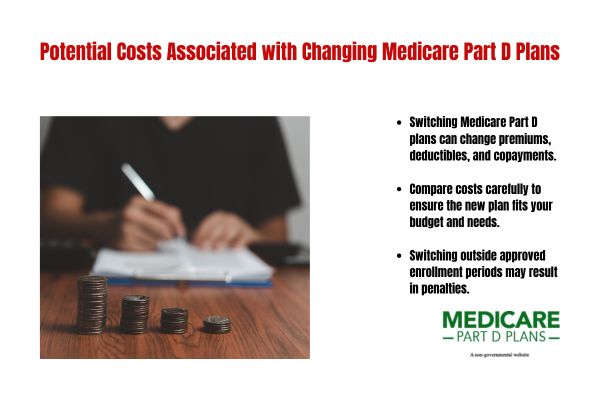
The cost structure of Blue Cross Blue Shield Medicare Part D plans will likely include several components that members need to be aware of. Some plans may feature a combination of monthly premiums and annual deductibles. Awareness of these costs will likely be important for managing prescription drug expenses efficiently.
Additionally, there may be an annual cap on out-of-pocket prescription costs, which may protect members from excessive spending. For Federal Employee Program (FEP) members, this cap is set at $2,000 for the year 2025, possibly ensuring that once this limit has been reached, further out-of-pocket costs might not be incurred for covered medications.
Premiums and Deductibles
Monthly premiums will likely be a standard part of most Blue Cross Blue Shield Medicare Part D plans. These premiums may vary depending on the specific plan chosen, but the monthly premium will likely act as a predictable cost that could help members budget for their healthcare expenses.
Additionally, some plans may have a deductible that must be met before the plan begins to cover prescription drug costs.
For the year 2026, the annual deductible for covered prescription drug costs is set at $615. This deductible might impact the initial out-of-pocket expenses members may face, likely making it an important consideration when selecting a plan.
Copayments and Coinsurance
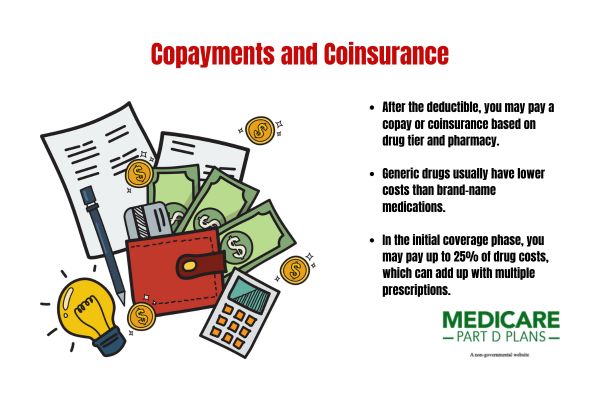
Copayments and coinsurance may be additional cost-sharing mechanisms in certain Blue Cross Blue Shield Medicare Part D plans. The copayment amounts may vary based on the tier level of the medication, with lower copayments for generic drugs and higher ones for brand-name or specialty drugs.
Coinsurance, on the other hand, is a percentage of the medication cost that the enrollee must pay. During the initial coverage phase, enrollees might pay up to 25% coinsurance for covered Part D drugs. This approach could potentially lower cost sharing and may help to distribute the financial burden of prescription drugs more evenly throughout the year.
Out-of-Pocket Maximum
The out-of-pocket maximum may also be a crucial feature of Blue Cross Blue Shield Medicare Part D plans. This cap might limit the total amount members have to pay for their prescriptions each year. Once this threshold has been reached, members might not pay anything for their medications for the remainder of the year.
For the year 2026, the annual out-of-pocket threshold is set at $2,100. This protective measure could potentially ensure that members are not financially overwhelmed by their prescription drug costs.
Additionally, during the catastrophic phase, which begins after reaching the out-of-pocket limit, enrollees might not pay cost-sharing for covered Part D drugs.
Covered Drugs and Formularies
Understanding which drugs may be covered will likely be fundamental to maximizing the benefits of your Part D plan. Blue Cross Blue Shield Medicare Part D plans come with a formulary, a list of covered medications that outlines which drugs may be included under the plan.
This formulary could help members understand their prescription drug coverage and manage their treatment plans effectively.
The formulary typically will likely include a wide range of generic medications, which may be more affordable than their brand-name counterparts. Preferred brand drugs may also cover, sometimes at a lower cost compared to non-preferred drugs, possibly providing additional savings for members.
Specialty drugs, which may require special handling or administration, may also be included in the coverage to ensure that even those with complex medical needs could have access to necessary treatments. Knowing the formulary might help members plan their healthcare and manage prescription drug costs more effectively.
How to Enroll in Blue Cross Blue Shield Medicare Part D
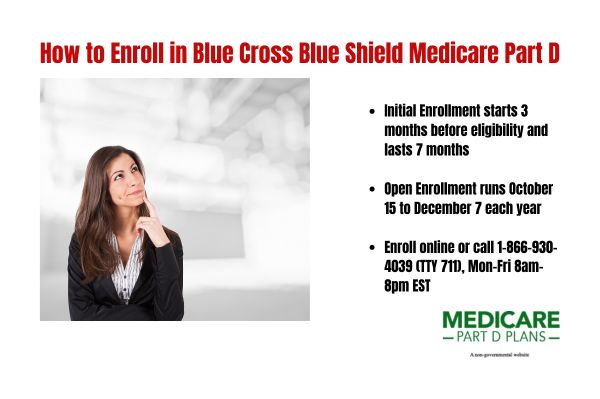
The enrollment process for Blue Cross Blue Shield Medicare Part D is straightforward if the specified timelines are followed:
- The Initial Enrollment Period begins three months before you become eligible for Medicare.
- This period lasts for seven months.
- New enrollees should secure their prescription drug coverage without delay.
Additionally, there is an Open Enrollment Period from October 15 to December 7 each year, during which you can join, switch, or drop a Medicare drug plan. To enroll, you can use this website or call one of our licensed agents at 1-866-930-4039 (TTY 711) Mon-Fri: 8am-8pm EST.
If you select a plan before your Medicare coverage starts, your plan will begin on the same day as your Medicare coverage.
Medication Therapy Management Program
The Medication Therapy Management (MTM) Program offered by Blue Cross Blue Shield Medicare Part D will likely be designed to help members optimize their medication use. This program could be particularly beneficial for those with complex health needs, possible ensuring that their medications are both effective and safe.
One of the components of the MTM program might be the Comprehensive Medication Review, which may:
- Be conducted annually
- Lasts about 30 minutes
- Will likely involve members discussing their medication use with a healthcare professional
- Provides a Personal Medication List
- Provides a Recommended To-Do List to help manage medications effectively
Traveling with Blue Cross Blue Shield Medicare Part D
Planning ahead will likely be crucial for members who travel, especially internationally, to ensure uninterrupted access to medications. Members should:
- Fill their prescriptions before traveling abroad, as purchasing drugs internationally might not be feasible.
- Carry a copy of the prescription.
- Carry a letter from the doctor, which could be helpful, especially for maintenance medications.
In case of emergencies, FEP members should contact their local Blue Cross Blue Shield company for assistance in accessing their medications while away from home. These steps help ensure that members maintain their prescription drug coverage and continue their treatment without interruption during their travels.
Avoiding the Late Enrollment Penalty
Anyone considering Medicare Part D should be mindful of avoiding the late enrollment penalty. To prevent this penalty, keep in mind the following:
- Sign up for Medicare coverage during your Initial Enrollment Period unless you have alternative creditable coverage.
- The penalty is calculated at 1% of the national base beneficiary premium for each month without creditable drug coverage.
- The penalty remains applicable as long as you retain Medicare drug coverage, regardless of any plan changes.
Creditable drug coverage or qualifying for Extra Help may prevent the late enrollment penalty. By understanding these requirements, you could potentially save money and possibly ensure continuous coverage without facing additional coverage costs.
See plans in your area instantly!
Advertisement
Additional Resources and Support
Blue Cross Blue Shield will likely offer a variety of resources and support to help members manage their Medicare Part D plans. The Prescription Drug Cost Tool on this website allows members to check the costs and coverage of their medications, making it easier to plan and budget for prescription expenses.
Customer service assistance is also available, providing support through dedicated phone lines and online chat options to answer any questions members may have about their coverage.
Prescription Drug Cost Tool
The Prescription Drug Cost Tool may be an invaluable resource for members of Blue Cross Blue Shield Medicare Part D plans. This tool helps estimate prescription drug expenses under different prescription drug plan options, allowing members to make informed decisions about their healthcare.
With the Prescription Drug Cost Tool on this website, users can explore medication prices, check their coverage status, and compare prices across different plans. This tool might simplify the process of verifying drug coverage and helps members manage their prescription drug costs effectively.
Customer Service Assistance
Customer service is a cornerstone of the support offered by Blue Cross Blue Shield for Medicare Part D members. Members can reach customer service representatives by calling 1-877-774-8592, available daily from 8 a.m. to 8 p.m. local time.
For specific inquiries regarding Medicare Part D, there is a dedicated phone line at 1-800-234-1234, available 24/7.
Find a Plan and Enroll Online Yourself!
Advertisement
Summary
Navigating the complexities of Medicare Part D might seem daunting, but with the right information, it will likely become manageable. Blue Cross Blue Shield Medicare Part D plans may offer robust prescription drug coverage, financial assistance, and a wide network of pharmacies to help ensure members receive the medications they need.
Understanding the eligibility criteria, possible cost structures, and enrollment processes can help you make informed decisions and avoid unnecessary penalties.
As you consider your options, utilize the additional resources and support available, including the Prescription Drug Cost Tool and customer services. These tools will help you manage your prescription drug costs and possibly ensure you receive the coverage you need. Remember, staying informed and proactive is key to navigating your Medicare Part D journey successfully.
Frequently Asked Questions
What is the annual deductible for covered prescription drug costs in CY 2026?
The annual deductible for covered prescription drug costs in calendar year 2026 is $615.
What percentage of coinsurance do enrollees pay for covered Part D drugs during the initial coverage phase?
Enrollees pay 25% coinsurance for covered Part D drugs during the initial coverage phase.
How can you avoid the late enrollment penalty for Medicare Part D?
To avoid the late enrollment penalty for Medicare Part D, ensure you enroll during your Initial Enrollment Period or maintain alternative creditable coverage. Taking these steps can help you sidestep unnecessary fees.
What is the annual out-of-pocket threshold for CY 2026?
The annual out-of-pocket threshold for CY 2026 is set at $2,100.
How can members get assistance with their Blue Cross Blue Shield Medicare Part D plans?
Members can receive assistance with their Blue Cross Blue Shield Medicare Part D plans by calling one of our licensed agents at 1-866-930-4039 (TTY 711) Mon-Fri: 8am-8pm EST.
Begin Choosing your plan
Advertisement
ZRN Health & Financial Services, LLC, a Texas limited liability company.