Find a Medicare Part D prescription drug plan


Medicare Part D
Prescription Drug Coverage 2026
Best Medicare Part D Plan for Eliquis
Finding the best Medicare Part D plan for Eliquis could potentially save you a significant amount of money and possibly offer uninterrupted access to this essential medication.
This article will walk you through understanding Medicare Part D coverage for Eliquis, compare the top plans, and provide tips for choosing the best plan for your needs.
Key Takeaways
- Medicare Part D will likely provide coverage for prescriptions like Eliquis, helping manage high costs through a variety of plans.
- Beneficiaries should compare Medicare Part D plans based on coverage specifics, potential out-of-pocket costs, and customer satisfaction to find optimal coverage for Eliquis.
- Navigating requirements like prior authorization and step therapy may be essential for uninterrupted access to Eliquis; utilizing tools like the Medicare Part D Plan Finder on this website can assist in this process.
Understanding Medicare Part D for Eliquis
Medicare Part D may be essential for many, especially those needing prescription drugs like Eliquis. Eliquis is a life-saving medication used to prevent strokes and blood clots, particularly in patients with conditions like atrial fibrillation, deep vein thrombosis, and pulmonary embolism. However, its high cost may be a significant barrier for Medicare beneficiaries.
Understanding how Medicare Part D could help cover these costs is vital. Many beneficiaries might face confusion regarding their specific coverage for Eliquis, possibly leading to gaps in their medication regimen.
What is Medicare Part D?
Medicare Part D is a program designed to help cover some cost of prescription medications. It provides a formulary, a list of medications covered under various plans, and their associated costs. This formulary could be crucial for understanding which prescription drugs may covered and at what cost.
There will likely be numerous Medicare Part D coverage plans to choose from, each offering different levels of coverage and costs. Beneficiaries may opt for standalone Medicare Part D plans or integrate their prescription drug coverage into specific Medicare Advantage plans.
Some of these plans could potentially reduce the financial burden of medications like Eliquis.
How Does Medicare Part D Cover Eliquis?
Eliquis will likely be covered under Medicare Part D and some Medicare Advantage plans, but the specifics might vary. The average monthly cost for Eliquis under these plans may be around $55, though this amount may differ widely depending on the plan. It’s essential to ensure that Eliquis may be included in your plan’s formulary.
To get coverage for Eliquis, beneficiaries may need to follow specific steps, including obtaining prior authorization or complying with step therapy requirements. These steps could help ensure that the medication is medically necessary and comply with the plan’s guidelines.
Navigating these requirements might be challenging but understanding them will likely be crucial for uninterrupted access to Eliquis. By choosing the right plan and following the necessary steps, beneficiaries could potentially reduce their out-of-pocket costs for this medication.
Comparing Medicare Part D Plans for Eliquis
Choosing the right Medicare Part D plan could make a significant difference in the cost of Eliquis. Different plans may offer varying levels of coverage, which will likely impact your monthly premiums and out-of-pocket costs. Comparing multiple plans may help you find the most affordable and comprehensive option for your needs.
Examining the available plans might reveal significant differences in coverage for Eliquis. The best plan will likely offer the lowest overall costs, such as monthly premiums and annual copayments. Eligible beneficiaries may even qualify for programs like Medicare Extra Help, potentially reducing their out-of-pocket costs.
Various Factors to Consider
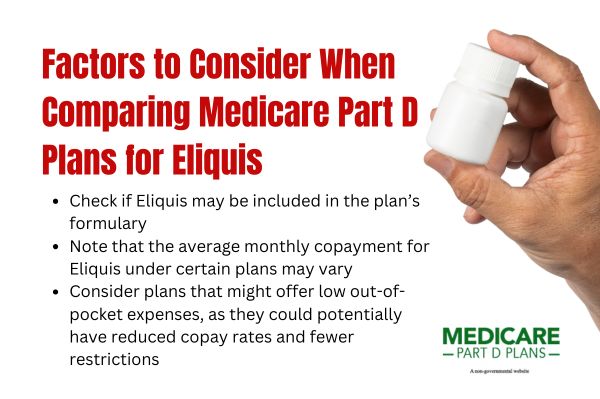
When comparing Medicare Part D plans for Eliquis, several factors should be considered:
- Check if Eliquis may be included in the plan’s formulary.
- Note that the average monthly copayment for Eliquis under certain plans may be about $55, but this amount might vary.
- Consider plans that might offer low out-of-pocket expenses, as they could potentially have reduced copay rates and fewer restrictions.
Consider the plan’s overall cost structure, such as copayments, deductibles, and monthly premiums. Plans known for high customer satisfaction often provide better support services for managing prescriptions like Eliquis. High satisfaction ratings will likely indicate reliable coverage and support.
Finally, be aware of any potential difficulties in obtaining Eliquis due to varying coverage across different Part D plans. Many beneficiaries might encounter challenges, so selecting a plan with comprehensive and reliable coverage will likely be essential.
Tools for Comparison
To simplify the selection process, beneficiaries can use the Medicare Part D Plan Finder Tool on this website. By entering their zip code into the Plan Finder Tool on this website, members can compare various plans and their specific drug formularies, making it easier to find plans that cover medications like Eliquis.
Our website also provides side-by-side comparisons of different Medicare Part D plans. This website can help beneficiaries identify the most cost-effective options for their medications.
Top Medicare Part D Plans for Eliquis
Several Medicare Part D plans might stand out for their coverage of Eliquis. These plans will likely be designed to offer potential savings, likely making them appealing choices for beneficiaries. Some plans may also offer additional benefits such as lower premiums or reduced copayments.
Comprehensive Coverage
Some Medicare Part D plans may be recognized for their extensive drug list, which might include Eliquis at a competitive copayment rate. These types of plans could potentially feature a lower deductible and copayment for medications like Eliquis, likely making them a solid choice for those seeking comprehensive coverage.
These plans will likely be ideal for those who prioritize a wide range of covered medications and lower overall expenses.
Low Out-of-Pocket Costs
Certain plans may also be known for lower out-of-pocket costs, possibly making them an attractive option for frequent Eliquis users. Some plans may offer some of the lowest deductibles on the market, which could be advantageous for managing treatment costs.
The ability to focus on affordability might make these plans a cost-effective choice for eligible beneficiaries seeking reliable coverage.
High Customer Satisfaction
Several Part D plans have consistently received high customer satisfaction ratings in recent years, likely due to the ease of access to Eliquis and responsive customer service. Users have reported positive experiences with the straightforward claims process and reliable coverage for this essential medication.
Part D plans will likely be ideal for beneficiaries who value high-quality customer service and a hassle-free experience. Medicare Part D’s reputation for reliability and satisfaction will likely make it a top choice for those seeking dependable Eliquis coverage.
Cost-Saving Strategies for Eliquis Under Medicare Part D
Given the high cost of Eliquis, exploring cost-saving strategies may be essential for many Medicare beneficiaries. The list price for a 30-day supply of Eliquis was around $594 in 2024, and without insurance, it could potentially reach $650 monthly. Fortunately, having insurance may help reduce these costs.
Utilizing Manufacturer Coupons
Using manufacturer coupons could potentially lead to significant savings on Eliquis. These coupons, along with payment assistance services, could help cover the cost of the medication. However, it’s important to note that some out-of-pocket expenses incurred while using these coupons might not count towards the Medicare out-of-pocket limit.
Certain Medicare Part D plans may also have lower out-of-pocket expenses for Eliquis users, with some members paying as little as $40 monthly. Utilizing these coupons and selecting the right plan could result in substantial savings on prescription drug costs.
Applying for Extra Help
The Extra Help program will likely assist low-income Medicare beneficiaries with their medication costs. This program has been designed for those with limited income and financial resources, possibly providing additional support to cover medications like Eliquis.
Navigating Prior Authorization and Step Therapy
Possible changes to Medicare Part D formularies could affect the cost and accessibility of Eliquis, such as:
- Eliquis may be placed on a higher tier.
- Prior authorization may be required before coverage is granted.
- Step therapy may be required before coverage is granted.
Understanding these processes will likely be crucial for uninterrupted access to the medication.
Prior Authorization Requirements
Prior authorization may be necessary for obtaining an Eliquis prescription under certain Medicare Part D plans. This process requires the prescribing doctor to submit proper paperwork to the insurer to justify the medical necessity of the medication.
Coverage for Eliquis may vary significantly among different Medicare plans, with some requiring prior authorization and others not. For example, some plans might include full coverage for Eliquis without the need for prior authorization.
Step Therapy Process
Step therapy for Eliquis might necessitate trying cheaper alternative medications before your chosen plan authorizes coverage for Eliquis.
Beneficiaries may determine if their Medicare plan mandates step therapy for Eliquis using the Medicare Part D Plan Finder Tool on this website.
Enrollment Tips for Medicare Part D
Enrolling in a Medicare Part D plan at the right time is crucial to avoid financial penalties and ensure continuous coverage. Beneficiaries might miss out on the optimal enrollment periods, which could lead to unnecessary costs and gaps in coverage.
Initial Enrollment Period
The initial enrollment period for Medicare Part D lasts seven months, including three months before, the month of, and three months after turning 65. Enrolling during this period helps avoid late penalties and ensures that you have continuous coverage for your medications.
Failing to enroll during this period can result in a late enrollment penalty if there is a continuous period of 63 days or more after your initial enrollment period during which you were eligible but not enrolled in a Medicare prescription drug plan. This penalty may also add to your monthly premiums, making timely enrollment essential.
See plans in your area instantly!
Advertisement
Annual Enrollment Period
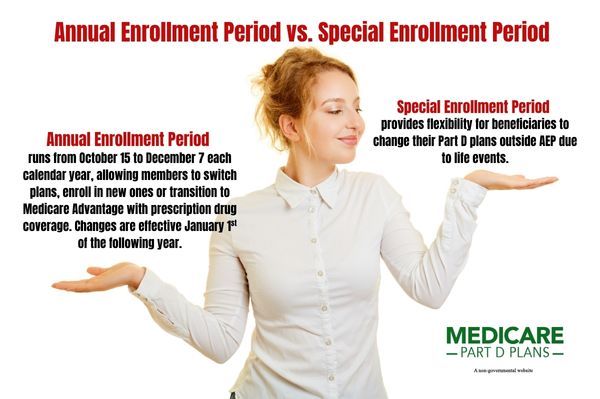
The annual enrollment period for Medicare Part D typically occurs from October 15 to December 7 each year. During this time, beneficiaries can review their current Medicare Part D plans and switch to a potentially better option if their needs have changed.
Reassessing your coverage during the annual enrollment period could help ensure that your Medicare Part D plan still meets your needs for medications like Eliquis. This period is an excellent opportunity to find plans with lower monthly premiums or better coverage for your prescriptions.
Common Challenges and Solutions
Some Medicare beneficiaries may face challenges in getting coverage for their medications under Original Medicare. Understanding these common issues and their solutions could help ensure continuous access to necessary medications.
High Out-of-Pocket Costs
Beneficiaries might face significant out-of-pocket expenses for Eliquis, particularly if their plan has high annual deductible or copayments. These costs may be a burden, especially for those on a fixed income.
Medicare Part D Extra Help will likely assist beneficiaries with these out-of-pocket costs, possibly making medications like Eliquis more affordable. Additionally, selecting a plan with lower deductibles and copayments may also help manage these expenses.
Plan Formularies
Medicare Part D plans include a plan’s formulary, which is a list detailing of covered medications and their associated costs. The tier placement of Eliquis within a formulary might influence its out-of-pocket cost for beneficiaries.
Different Medicare Part D plans may categorize Eliquis differently, likely affecting accessibility and pricing for patients. Checking specific plan formularies before enrolling could help ensure that Eliquis may be covered and affordable under your chosen plan.
Find a Plan and Enroll Online Yourself!
Advertisement
Summary
Navigating Medicare Part D to help ensure coverage for Eliquis might be a complex process, but understanding your options and taking the right steps could potentially lead to significant savings and continuous access to this essential medication.
By comparing different Medicare Part D plans, utilizing cost-saving strategies, and understanding the processes of prior authorization and step therapy, beneficiaries can make informed decisions that benefit their health and finances.
Choosing the right Medicare Part D plan will likely be crucial for managing the costs of Eliquis. Whether you prioritize comprehensive coverage, low out-of-pocket costs, or high customer satisfaction, there will likely be a plan that could meet your needs. Stay proactive in reviewing your coverage options and seek professional advice when necessary to ensure you have the best possible support for your health.
Frequently Asked Questions
What is Medicare Part D?
Medicare Part D is a prescription drug coverage program that may help reduce some of the costs of medications by providing a formulary of covered drugs and their prices.
How much does Eliquis cost under Medicare Part D?
Eliquis may cost around $55 per month under Medicare Part D, though prices may vary depending on the specific plan. It’s advisable to check your individual plan for the most accurate pricing.
What is the Extra Help program?
The Extra Help program will likely provide financial assistance to low-income Medicare beneficiaries, possibly helping them cover their prescription medication costs.
When is the initial enrollment period for Medicare Part D?
The initial enrollment period for Medicare Part D spans seven months: three months before, the month of, and three months after you turn 65. It’s important to enroll during this time to avoid potential penalties.
What is prior authorization, and why is it needed for Eliquis?
Prior authorization is a process that requires your doctor to provide evidence that a medication, like Eliquis, is medically necessary before your insurance covers it. This requirement likely helps to ensure that patients receive appropriate treatments while managing healthcare costs.
Begin Choosing your plan
Advertisement
ZRN Health & Financial Services, LLC, a Texas limited liability company.