Find a Medicare Part D prescription drug plan


Medicare Part D
Prescription Drug Coverage 2026
Medicare Part D Formulary 2026
What are the potential changes to the Medicare Part D Formulary 2026, and how could they affect you? This article breaks down the potential updates and what you need to know to manage your prescription drug coverage effectively.
Key Takeaways
- The Medicare Part D formulary may be essential for beneficiaries to understand, as it outlines covered prescription drugs and could aid in managing medication costs.
- Potential changes for 2026 might include updates to drug coverage, pricing negotiations due to the Inflation Reduction Act, and the potential integration of comprehensive drug coverage within certain Medicare Advantage plans.
- Beneficiaries are encouraged to utilize resources like this website to check drug coverage and understand tiered pricing to effectively manage out-of-pocket expenses.
Understanding the Medicare Part D Formulary

A formulary is essentially a list specific to each Medicare plan that details which prescription drugs might be covered. This list will likely be a cornerstone of Medicare Part D plans and serves a vital purpose in ensuring that beneficiaries may have access to necessary medications without significant gaps in coverage.
Even though Medicare prescription drug coverage is an optional benefit, beneficiaries might opt for it to help reduce the cost of their medications.
The formulary should include a variety of medications, particularly those in protected classes, possibly ensuring comprehensive coverage for a wide range of health conditions. Part D drug plans may be mandated to cover all negotiated drugs, which could potentially enhance access and offer no gaps in the availability of these medications.
For beneficiaries, understanding how the formulary works is crucial. It will likely help them manage their drug costs effectively and possibly ensure that they are not caught off guard by unexpected expenses.
The formulary is a dynamic list, likely updated annually, and staying up-to-date with these changes may be essential for managing one’s healthcare.
Medicare Advantage plans, which combine Medicare Part A, Medicare Part B, and sometimes Part D coverage, may also rely on formularies to outline the drugs they cover. This potential integration of services could offer added convenience and potentially lower costs for beneficiaries who prefer a bundled approach to their healthcare.
In essence, the Medicare Part D formulary is a critical tool in the Medicare program, helping beneficiaries navigate the complexities of prescription drug coverage and manage their healthcare expenses efficiently.
Potential Changes to the 2026 Medicare Part D Formulary
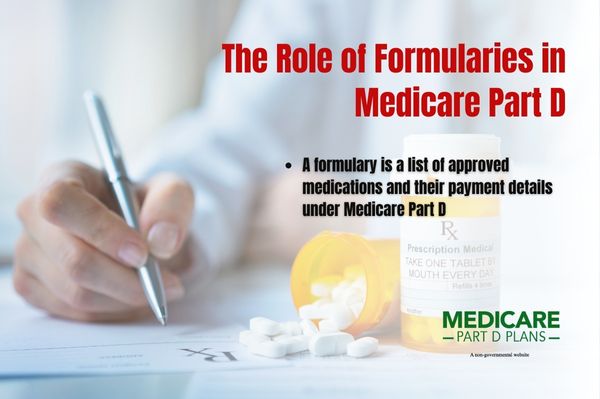
As we move into 2026, Medicare beneficiaries should be aware of several potential changes to Medicare Part D formulary. These updates might include new policies and modifications from the previous year, likely reflecting ongoing efforts to improve the program and address the needs of beneficiaries.
One potential change might be the removal of certain drugs from the formulary, which could impact coverage options for some beneficiaries. Reviewing the updated list could potentially ensure your medications are still covered and may also allow you to explore alternatives if needed.
Additionally, adjustments to drug tiers might affect out-of-pocket costs, possibly making it essential to understand which tier your medications fall into and how this could impact your expenses.
The provisions of the Inflation Reduction Act may also play a significant role in the cy 2026 changes.
This legislation will likely aim to lower prescription drug costs through negotiated prices, which could benefit many Medicare beneficiaries. Staying informed about these potential changes and their effects on your prescription drug plan may be essential.
Some Medicare Part D plans might update their formularies annually, so it’s crucial to check for any changes during each enrollment period. This approach could help you avoid surprises and maintains comprehensive, cost-effective prescription drug coverage.
Overall, the 2026 Medicare Part D formulary updates will likely aim to enhance the program and make prescription drug coverage more accessible and affordable for beneficiaries.
Possible Impact of the Inflation Reduction Act on the 2026 Formulary
The Inflation Reduction Act, which began its first round of price negotiations in 2024, will likely aim to lower costs for Medicare beneficiaries by negotiating prices for selected Medicare Part D drugs. These negotiated prices might take effect in 2026, possibly providing savings for beneficiaries and making prescription drug coverage more affordable.
The Centers for Medicare & Medicaid Services (CMS) may also consider various factors, such as production costs and development expenses, when negotiating maximum fair prices for these drugs. This approach could potentially ensure that the negotiated price is fair and reflects the true cost of producing these medications.
Additionally, the Inflation Reduction Act might include protections for ‘small biotech’ drugs, which may exempt them from negotiation if they meet specific criteria. This provision could potentially ensure that innovative medications remain available and affordable for beneficiaries.
Starting in 2026, certain Medicare-covered vaccines may be be free to beneficiaries, which could further reduce out-of-pocket costs and might improve access to essential preventive care.
These changes will likely reflect the Act’s broader goal of alleviating cost burdens on Medicare beneficiaries and may even enhance the overall effectiveness of the Medicare Part D program.
How to Check if Your Medications Are Covered
Checking if your medications are covered under your Medicare Part D plan will likely be a crucial step in managing your prescription drug coverage.
One of the most effective tools for this purpose is the Plan Finder tool on this website. This tool allows you to compare your medications against the formularies of available Part D plans, helping you determine the best plan for your needs.
Our website provides detailed information about the tier structure and cost-sharing requirements for each plan. Understanding which tier your medication might be in could help you anticipate your out-of-pocket costs and choose a plan that offers the best coverage for your needs.
Matching your medications with the plan’s formulary may be essential to ensure you have the prescription coverage you need. By taking these proactive steps, you could make informed decisions about your prescription drug coverage and possibly avoid unexpected expenses.
Navigating Tiered Drug Pricing
The tiered pricing system in Medicare Part D will likely categorize drugs into different levels, each with distinct cost-sharing requirements. Understanding this system will likely be crucial for managing your out-of-pocket expenses and may ensure you get the most value from your prescription drug plan.
Tiered pricing might lead to significant variations in out-of-pocket costs depending on the tier of your prescribed medication. Higher-tier drugs might come with higher copayments or coinsurance, while lower-tier drugs may be more affordable. Knowing which tier your medication falls into could help you budget for your medication costs and explore more cost-effective alternatives if needed.
It’s also important to check for any prior authorization requirements for your medications, as some drugs may need approval before being covered. This step could potentially help you avoid delays in getting your medication and ensure that you meet all the necessary requirements for coverage.
Reviewing the tiered structure of each plan may also be essential for understanding the copayments and coinsurance associated with each tier. By doing so, you can compare plans and choose the one that offers the best coverage for your medications at the most affordable cost.
Managing your expenses effectively will likely involve understanding the drug tiers and associated costs in your plan’s formulary. Staying informed and proactive could help you navigate the tiered pricing system and maximize your Medicare prescription payment plan.
Coverage Phases and Their Effect on Costs
Medicare Part D coverage is divided into several phases, which might affect your out-of-pocket costs differently. Understanding these phases could help you manage your expenses and plan for the year ahead.
The first phase is the annual deductible phase, where beneficiaries might pay the full price for their prescriptions until they reach a maximum of $615 in 2026. Once the deductible is met, you enter the initial coverage phase, where costs may be shared between you and your Medicare plan until total drug costs hit $2,000.
After reaching the initial coverage limit, you enter the coverage gap phase, also known as the “donut hole.” During this phase, you may pay a higher percentage of your medication costs until your out-of-pocket spending reaches $2,000. At this point, you enter the catastrophic coverage phase, where you might not pay for covered prescriptions during the initial coverage period.
Choosing generic drugs could potentially reduce your out-of-pocket expenses during these phases. By understanding the coverage phases and their possible impact on costs, you can make informed decisions about your prescription drug coverage and manage your healthcare expenses more effectively.
Utilizing Generic Drugs and Biosimilars
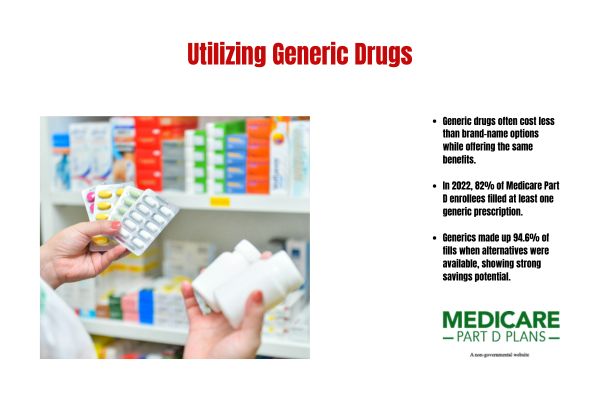
Choosing a generic drug could potentially lead to cost reductions for Medicare beneficiaries compared to brand-name drugs. Generic drugs may be chemically identical to their branded counterparts and could offer the same effectiveness at a fraction of the cost.
Biosimilars, on the other hand, will likely be designed to be highly similar to original biological products. They might:
- Offer an effective alternative with potentially lower costs
- Provide comparable effectiveness to their branded counterparts
- May become more widely available in Medicare Part D formularies
Access to biosimilars will likely be expanding, contributing to greater affordability and a wider range of medication options for beneficiaries. Some Medicare Part D plans might include both generics and biosimilars in their formularies, possibly increasing access to affordable medication options.
Patients will likely be encouraged to inquire with their healthcare providers about the availability of generics or biosimilars as alternative treatments for their conditions. Choosing these cost-effective alternatives might help beneficiaries manage their prescription drug costs and possibly achieve cost savings more efficiently.
See plans in your area instantly!
Advertisement
Special Considerations for Low-Income Subsidy (LIS) Recipients
The Low-Income Subsidy (LIS) program may provide additional assistance to Medicare beneficiaries with limited incomes. The eligibility criteria for LIS may be updated in 2026 to reflect possible changes in income and resource limits.
These updates will likely ensure that more beneficiaries may qualify for the subsidy and receive the help they need.
LIS recipients may face fewer barriers to acquiring necessary medications due to enhanced coverage provisions. Future proposals could potentially improve access to preventive services and medications for LIS applicable beneficiary. These changes will likely aim to reduce out-of-pocket costs and make essential medications more accessible.
Potential changes in drug pricing policies may also lead to reduced out-of-pocket costs for LIS recipients. As Medicare Part D formulary evolves, it’s important for LIS beneficiaries to stay informed about how these changes could impact their coverage and costs.
By understanding these special considerations, LIS recipients could potentially navigate the Medicare Part D program more effectively and access the medications they need at a lower cost.
Appeals Process for Non-Covered Drugs
If your medication is not covered under your Medicare Part D plan, you may be able to appeal the decision. The first step in the appeals process is to request a coverage determination. This request asks your plan to reconsider its decision to deny coverage for a specific drug.
If the coverage determination is denied, you may request a redetermination within 65 days of the denial notice. This step might involve your plan reviewing the decision again to see if it can be reversed. If the redetermination is still unfavorable, you could potentially escalate the appeal to the next level.
The appeals process involves five levels, allowing you to escalate your request if you disagree with the decisions made in previous levels. The second level involves requesting reconsideration from an Independent Review Entity within 60 days if the initial appeal is denied.
If the reconsideration is also denied, you can proceed with the following levels of appeal:
- Request a hearing before an Administrative Law Judge (level 3) if the amount of the case meets a minimum threshold.
- Proceed to the fourth level of appeal, which involves a review by the Medicare Appeals Council.
- Proceed to the fifth level of appeal, which involves a review by the federal district court.
An expedited appeal may also be requested if waiting for a standard decision may seriously jeopardize your health. Understanding the appeals process and knowing your rights could help you navigate denied drug coverage and possibly ensure you receive the medications you need.
Important Dates and Deadlines for 2026 Enrollment
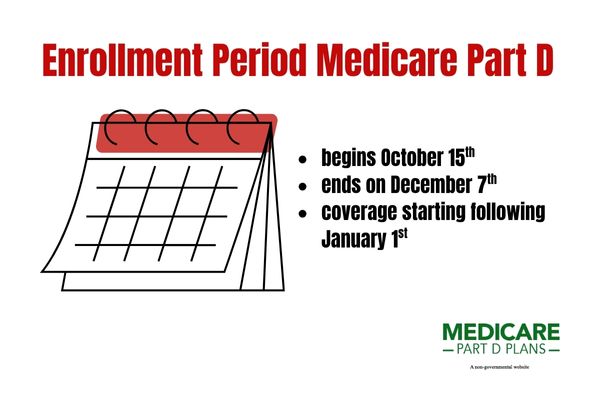
Staying informed about important dates and deadlines is crucial for ensuring continuous prescription drug coverage under Medicare Part D. The Annual Coordinated Election Period (AEP) for 2026 enrollment begins on October 15 and ends on December 7, 2025. During this period, Medicare beneficiaries can enroll in or make changes to their Medicare Part D plans.
For new Medicare beneficiaries, the Initial Enrollment Period (IEP) lasts seven months, starting three months before and ending three months after their 65th birthday. This period is a critical time to sign up for Medicare Part D to avoid the late enrollment penalty and ensure timely prescription drug coverage.
Medicare beneficiaries are highly recommended to enroll in Medicare Part D as soon as they become eligible. Missing the IEP or AEP can result in a late enrollment penalty, which can increase the overall cost of your prescription drug coverage.
By marking these dates on your calendar and preparing in advance, you can ensure that you have the coverage you need without any interruptions. Timely enrollment is key to managing your healthcare expenses and maintaining access to necessary medications.
Find a Plan and Enroll Online Yourself!
Advertisement
Summary
Navigating the Medicare Part D formulary for 2026 will likely involve understanding the potential changes, the possible impact of new legislation, and practical steps to ensure your medications are covered. From the basics of how a formulary works to the specifics of tiered drug pricing and the appeals process, staying informed could help you make the best decisions for your healthcare needs.
The potential updates for 2026, likely influenced by the Inflation Reduction Act, may aim to lower costs and improve access to essential medications for Medicare beneficiaries. By utilizing tools like the Plan Finder on this website and exploring cost-effective options like generic drugs and biosimilars, you may be able to manage your prescription drug costs more effectively.
As you prepare for the upcoming enrollment periods, remember the importance of timely action and stay informed about potential changes to your Medicare Part D plan. By taking control of your prescription drug coverage, you could potentially ensure that you have the medications you need at an affordable cost.
Frequently Asked Questions
How do I check if my medications are covered under my Medicare Part D plan?
To check if your medications are covered under your Medicare Part D plan, utilize the Plan Finder tool on this website to compare your medications with the available formularies.
What are the potential changes to the Medicare Part D formulary for 2026?
The potential changes to the Medicare Part D formulary for 2026 might involve the removal of certain drugs, adjustments to drug tiers that could influence out-of-pocket costs, and the ongoing impact of the Inflation Reduction Act on drug pricing. These modifications will likely aim to enhance affordability and access for beneficiaries.
How might the Inflation Reduction Act affect Medicare Part D drug prices?
The Inflation Reduction Act may allow for the negotiation of prices for selected Medicare Part D drugs starting in 2026, which could potentially reduce costs for beneficiaries and provide free Medicare-covered vaccines.
What should I do if my medication is not covered by my Medicare Part D plan?
If your medication is not covered by your Medicare Part D plan, initiate an appeal by requesting a coverage determination. If denied, follow the appeals process for further review to seek coverage.
When is the Annual Coordinated Election Period for 2026 Medicare Part D enrollment?
The Annual Coordinated Election Period for 2026 Medicare Part D enrollment starts on October 15, 2025, and ends on December 7, 2025.
Begin Choosing your plan
Advertisement
ZRN Health & Financial Services, LLC, a Texas limited liability company.